
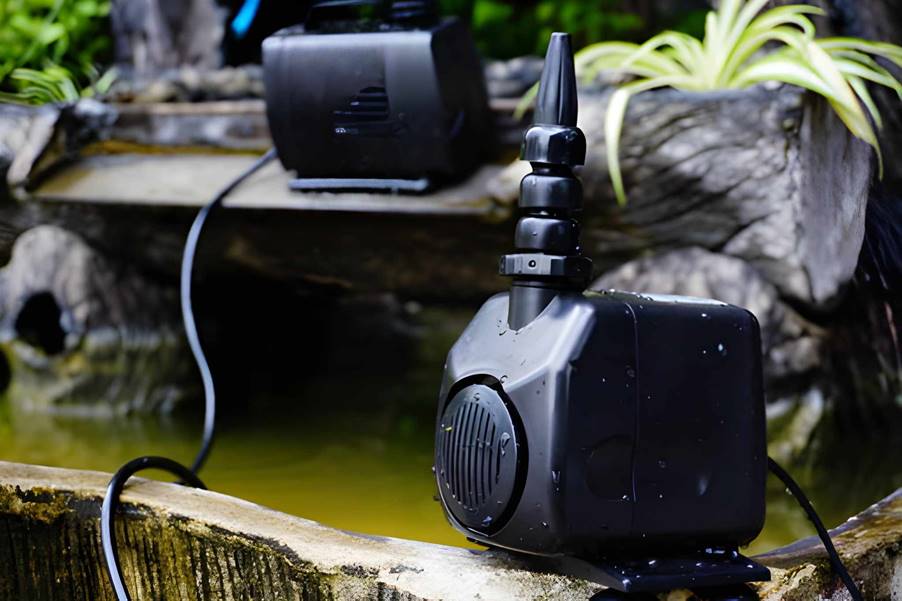

A pond might appear peaceful and serene from above. The water, beneath, acts quite differently. Oxygen slips away faster than most new pond-keepers expect, and the fish, well, they definitely feel it. An air pump acts as the “lungs” of the pond, keeping fish, plants, and bacteria active rather than struggling to breathe.
As you begin exploring choices, you will soon come across Evolution Aqua air pumps, the popular brand that frequently appears in the talks surrounding the pond industry. They are regarded as dependable and steady, particularly if you need an equipment that simply functions continuously every day.
And if you are looking for genuine advice rather than sales talk, That Pond Guy is one of those places that actually explains things without drowning you in jargon. They stock trusted pumps, share practical notes, and generally make the whole buying process feel less painful.
Step One: Check Your Pond Size and Depth
You cannot choose an air pump blindly. Two things matter more than anything:
- Pond size
- Pond depth.
A shallow pond? You won’t need a monster pump. A deep or oversized pond? You will need more power to push oxygen down to the lower layers.
Step Two: Understand Fish Load and Oxygen Demand
The more life you keep in your pond, the more oxygen is needed. Pretty simple, but often ignored.
- More koi means higher demand
- Heavy planting means increased oxygen use at night
- Beneficial bacteria are silent but constant oxygen consumers
It all adds up.
Step Three: Look at Pump Output and Type
Every pump delivers air differently. So yes, the “type” does matter.
Pump Output
- Match the airflow to the pond volume
- Aim for steady, even aeration
Pump Types
- Diaphragm pumps: They are usually quieter and great for small to medium ponds
- Linear or piston pumps: These handle deeper water and bigger ponds more effectively.
Step Four: Noise, Durability, and Build Quality
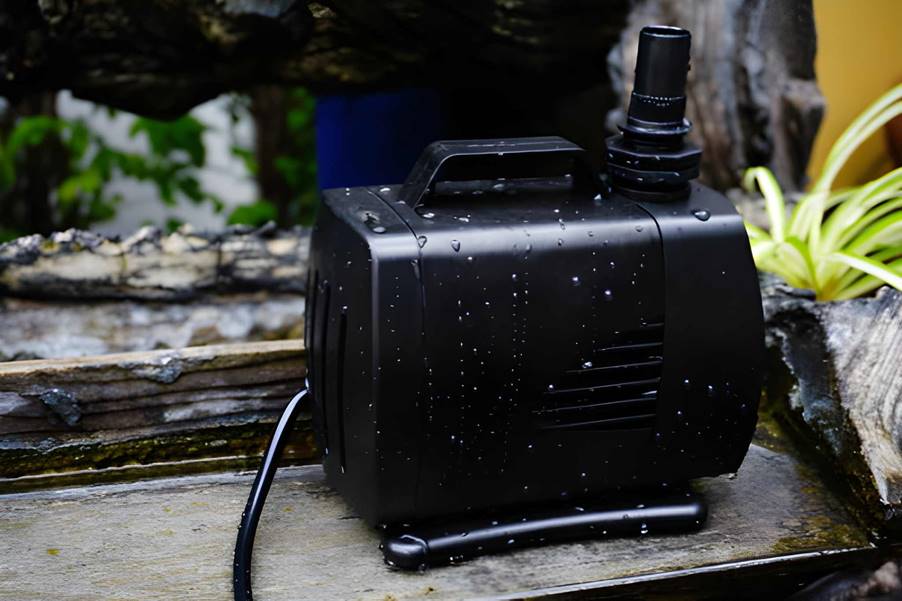
It is easy to forget these details until the pump is running 24/7 beside your seating area.
Things to check:
- Noise levels
- Weather resistance if kept outside
- Energy consumption
- Long-term durability of parts.
Step Five: Don’t Ignore the “Extras”
Pond aeration is not just plug-and-play. A few small choices affect performance more than people expect.
- Use appropriate diffusers or air stones
- Avoid overloading one pump with too many outlets
- Clean and replace clogged stones regularly
- Put the pump on dry, stable ground
- Add check valves to stop water from backflowing into the pump.
These tiny things protect your equipment and keep oxygen levels steady.
A Quick Reality Check
That Pond Guy often reminds shoppers that no single pump is perfect for every pond.
What matters is understanding:
- Your pond volume
- Shape and depth
- Number of fish
- Seasonal oxygen variation
If you plan this out first, choosing the right pump becomes surprisingly easy.
Final Thoughts
Think of your air pump as the heartbeat of the pond. Too weak, and the water sours. Too strong, and you are wasting energy. The sweet spot is somewhere in between a reliable pump, good diffusers, and a little bit of routine care.